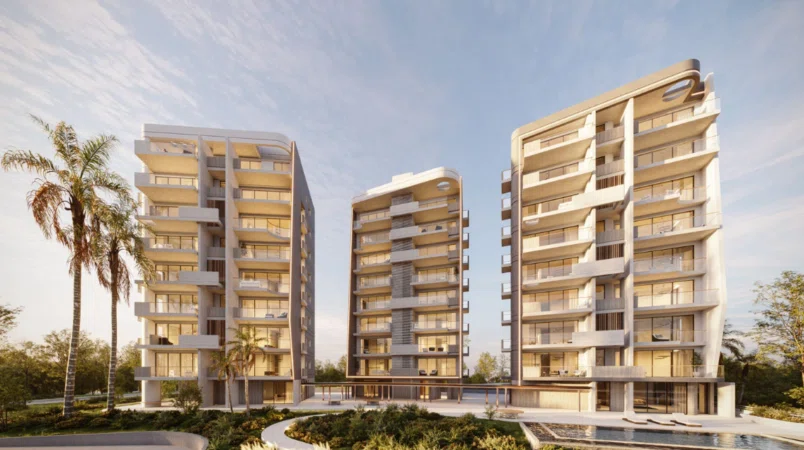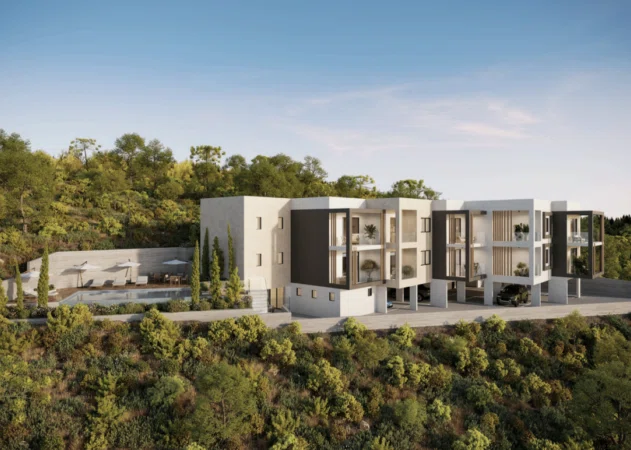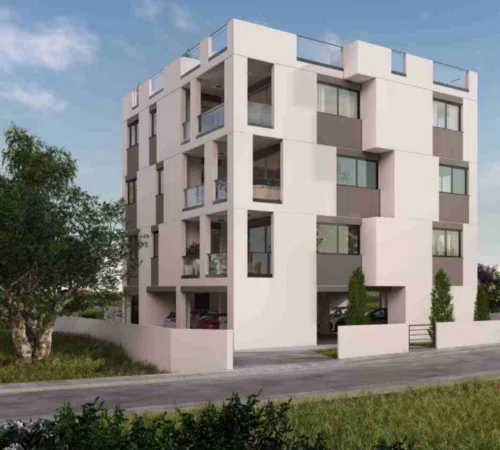
Object typeResidential
Completion dateQ3 2027
DeveloperAristo Developers
Total areafrom 150 m² to 150 m²
Down Payment40%
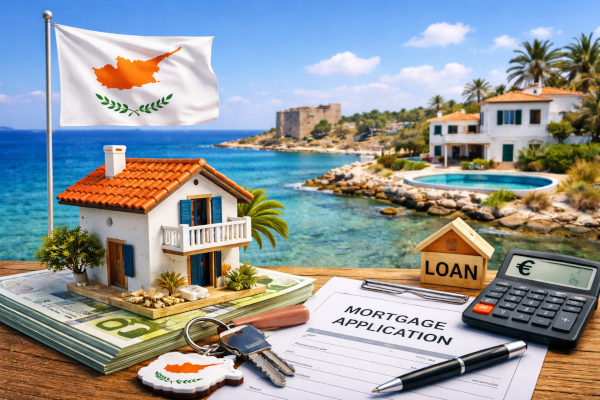
Cyprus remains a popular destination for foreign citizens looking to purchase real estate. In 2026, Cypriot banks continue to offer mortgages to foreigners; however, the terms for non-residents have several specific features that are important to consider before beginning the process.
Foreign buyers can obtain a mortgage from Cypriot banks, but banks typically finance only a portion of the property’s value. Generally, the loan covers about 50-70% of the property’s value, so the buyer must contribute their own funds amounting to 30-50% of the property’s price.
It is also worth noting that the bank bases its decision not only on the transaction price but also on its own appraisal of the property. If the appraised value is lower than the declared price, the down payment amount may increase.
The interest rate depends on the bank, the loan amount, the term, and the borrower’s financial stability. In 2026, mortgage rates for foreign buyers typically range from approximately 4% to 5.5% per annum.
Banks offer two main types of rates:
After the fixed-rate period ends, the loan is most often converted to a variable-rate loan.
Mortgage terms in Cyprus can be quite long. Most often, mortgages are issued for 10-30 years, though some banks may offer terms of up to 35-40 years.
There is an age limit: at the time of full repayment, the borrower must generally be no older than 65-70 years.
Before approving a loan, banks carefully analyze the customer’s financial situation. The key indicator is the debt-to-income ratio.
The general rule is that monthly loan payments should not exceed approximately 35-40% of the borrower’s net income.
In practice, most approved applications are submitted by clients with an income of €2,500-4,000 per month or higher. If the property is purchased by spouses or partners, the bank may consider the family’s total income.
To apply for a mortgage, a foreign buyer will need to prepare a standard set of documents. This typically includes:
Most documents must be provided in English or Greek.
The process of obtaining a mortgage in Cyprus typically takes one to three months and involves several steps.
In addition to the property price and the down payment, buyers should factor in a number of additional costs.
These include:
If purchasing a new home, VAT may also apply. A preferential rate of 5% applies to the property when purchasing a home for personal residence and provided certain conditions are met.
Although mortgages in Cyprus are available to foreign citizens, banks impose stricter requirements on such borrowers. Financial documents and the source of funds may be scrutinized particularly closely.
In addition, banks often require the opening of an account with a Cypriot bank and sometimes ask that a certain reserve of funds be maintained in it.